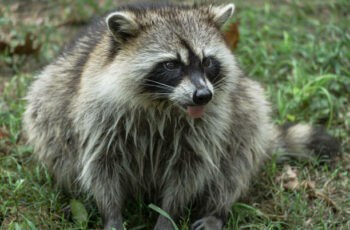
If you think that raccoons are amiable animals and you might enjoy patting a raccoon as a pet, then you are making a mistake. Raccoons are sometimes aggressive animals. They are likely to hurt you and injure you with their strong jaws and sharp teeth. So it is a great idea to avoid patting a raccoon especially when you do not have a notion about what kind of raccoon it is or which raccoon is approaching. Learn today why there are so many cases of raccoon attacks and why raccoons attack.
Raccoons are animals that live everywhere and love to be recognized. They have a lifestyle that distinguishes them from other mammals and gives them unique behavior and character. In addition, cute raccoons are living everywhere, such as in jungles and urban areas. They ingest various meals in forests and residential areas. In addition, they are protective and would try their best to be safe and enjoy their lives. Accidentally, if you see them fighting a dog or a cat, do not be surprised to accept it, because it is called self-defense and survival.
- Five interesting facts about raccoons
- What to do if a raccoons bite you?
- How to help an injured raccoon?
Why Do raccoons attack?
Being inherently shy, raccoons tend to hide when they detect human presence. That dread, though, may lessen as the bugs’ native habitat shrinks and they become more accustomed to living among humans. When raccoons are cornered or defending their young, they can be aggressive to people and pets. It is never appropriate for locals to approach a wild animal, even if it appears at ease or friendly. They are a known vector species for rabies. Rabid raccoons are more prone to attack, but both healthy and sick raccoons are capable of doing so.
Why Do raccoons attack?
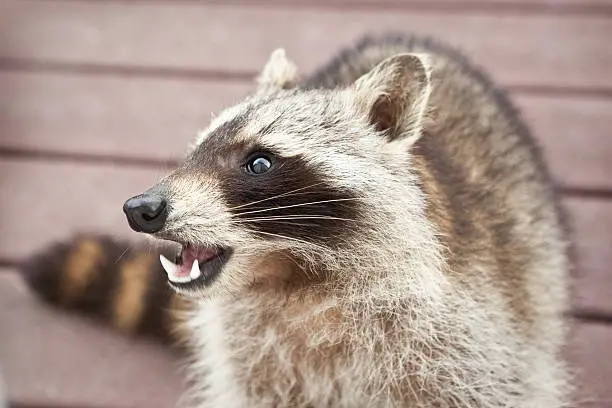
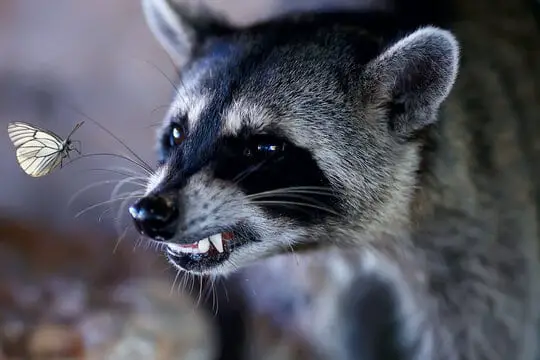
A raccoon will attempt to frighten you before attacking. By curving their back, sticking out their fur, and lifting their tail, they will appear larger. actions such as constant hopping, displaying their claws, and baring their teeth. In addition, raccoons have been known to hiss, bark, scream, growl, and shriek. If a raccoon exhibits these actions, they are about to launch an attack.
How dangerous are raccoons?
Because of their fluffy coats, inquiring looks, and wide-eyed gaze, raccoons may give you the impression that they are too pure-hearted to ever do anything bad. However, a wild animal’s cuteness does not always translate into safety. A good example is raccoons. With their fluffy coats, inquisitive gaze, and wide-eyed expressions, these animals may easily fool you into believing they are too pure to ever be bad. But when they enter your yard, they commit several transgressions. They spill your rubbish all over your yard after toppling it over. They cause harm to your house. Wild raccoons introduce parasites such as ticks and fleas into your yard. As they explore, they leave pee and excrement behind. And they are capable of attacking in the correct situation. Raccoon cuteness frequently serves as the impetus for an assault. They appear to be strange pets. They may even act in pet-like ways. If you feed them, they might approach you and eat directly off your fingertips without doing you any harm. In contrast, it is never a good idea to feed raccoons.
Can raccoons hurt humans?
Some people believe that raccoons are not dangerous animals at all. Typically, it will not reduce and affect their personality. Moreover, the term “wild” animals does give the game away. All wild animals have the potential to be harmful and attack humans. They are not domesticated like your fluffy dog or kitty friend—they are wild. These Wild animals are dependent on people for food, drink, and shelter and do not know how to behave in a “tame” way when they are being patted and fed by them. They will use every resource at their disposal to obtain food and water, and regrettably, they have come to identify humans with this need. We are providing them with food. Mostly by mistake, but occasionally on purpose. Because of their keen teeth and claws, raccoons in particular can easily gnaw through rubbish bags and dig up delicious worms and did in your garden.
Raccoons have occasionally been fed by hand, and in these situations, the raccoons grow accustomed to the interaction. They begin to link human hands with food that is easily accessible. Subsequently, they will approach anyone to try to suck food from them. In certain situations, a raccoon may attack people as a way of expressing their dissatisfaction, much like a youngster throwing a fit.
Raccoon Attack:
Like other natural animals, raccoons don’t attack without cause. Raccoons are naturally rather sluggish creatures. Wild animals especially raccoons attack for food, they usually target prey that is much smaller than themselves. Such as road killers, rodents, mice, rabbits, and small mammals. They will even occasionally target leftovers that you toss in the trash. The amount of food that raccoons can obtain from pet food that you leave out on the porch could surprise you. It makes sense why your dog is constantly angry. Most likely, he’s hungry. All of his food has been taken by a raccoon. It follows that it is clear to stay away from wild animals, particularly raccoons.
- Related: How to help an injured raccoon?
What do you do if you’re attacked by a raccoon?
Most individuals are unsure how to interact with raccoons, particularly ferocious and wild ones. Most of the time, it’s best to stay away from aggressive animals. However, other experts suggest that it would be beneficial to flee until you discover assistance and call for it. Fighting a raccoon or any other wildlife animal with your hands is not worth it. The wisest course of action is to constantly ask for assistance, but doing so requires you to run! After a raccoon attack, you should always contact a nearby wildlife expert, even if the animal flees. Also, whenever you have a raccoon assault, get examined for rabies. Recall that raccoons are a “species that transmit rabies.” Compared to other animals, they carry and spread rabies more frequently. Rabies does not manifest symptoms unless it poses a threat. To prevent death or harm from a disease spread by the raccoon, have yourself, your pets, and anybody else impacted by the attack checked out as soon as possible.
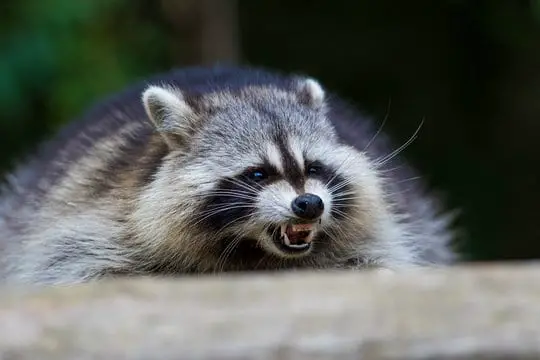
Raccoon
Ultimately, the best course of action is to stay away from any contact with a wild raccoon or other wildlife. It’s advisable to lock a raccoon inside a room and let the professionals handle it if you find one inside your house. A single exit could be left available, but this isn’t always effective. If at all possible, the wisest course of action is to avoid getting into a fight. Never chase, harass, or try to harm raccoons. The majority of raccoons won’t harm humans unless they perceive a serious threat. A raccoon is unlikely to attack you, and if it does, it probably has an illness that makes it more hostile.
Why do raccoons stare at you?
It is proven that raccoons are clever animals. They understand the time absolutely well. When you were outside at dusk, have you ever observed a raccoon observing you intently from the bushes? You may be wondering if they’re trying to break into your home or if they’re seeking a fight. Raccoons are very inquisitive creatures, and their staring behavior is just one aspect of their curiosity. Besides, raccoons, sometimes referred to as “bandits” or “trash pandas,” are brilliant but cannibalistic animals. They have keen senses and are insatiably curious about what they may discover. When they come upon a human, they may stop and look at the subject for some time, studying them with wide eyes. Raccoons will occasionally even come up to people in an attempt to engage in conversation.
Can a raccoon kill a small dog?
A wide range of other wild creatures, including dogs, cats, and other pets, are attacked by raccoons. Usually, this is more of a defensive than an offensive tactic. Though raccoons can grow to be marginally larger than most house cats. In general, raccoons, dogs, and cats are well-matched in terms of height. When the two square off, they will argue vehemently—if not to the point of death, then at least until one of them gives in. Usually, it will be the person with the most injuries. This May is the family pet. Furthermore, given that raccoons are among the most prevalent animals in cities, it makes sense that you might be worried about one of them attacking your dog. In nature, things can go wrong very quickly, but it’s crucial to understand how and when they can. Raccoons may attack animals, although there are some differences between a raccoon attacking a dog and one attacking a squirrel.
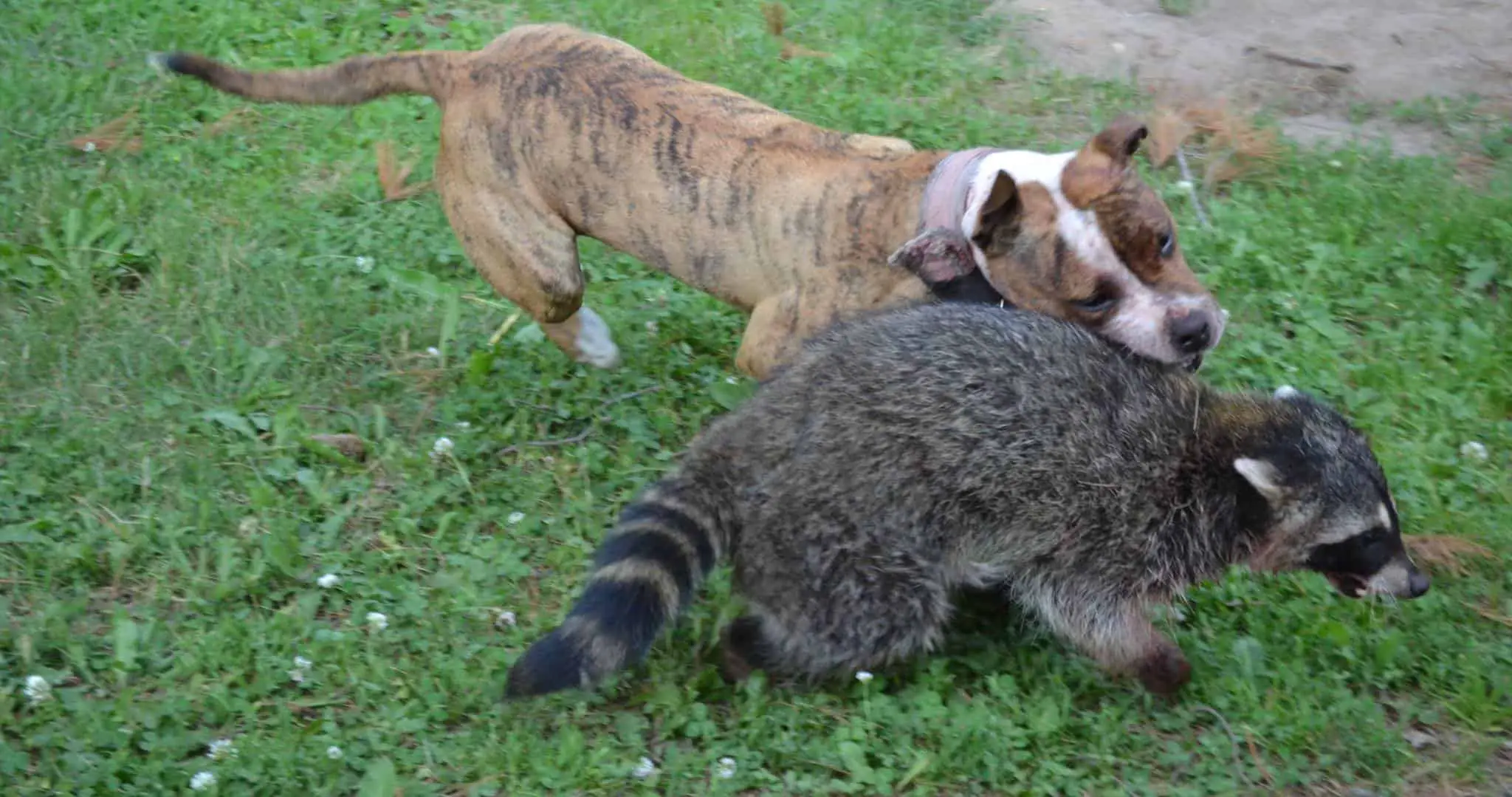
Raccoon Attack
FAQ
Conclusion
Occasionally, raccoons become aggressive at particular times, especially when they feel threatened or at risk to themselves and their young. Naturally, most animals, including humans, do their best to protect their children, and this applies to raccoons too. To go deep, if a raccoon assaults you, it is painful due to its strong and natural ability to hurt enemies of raccoons. If you are going to be attacked, you can simply run and get to a safe location and inform someone to assist you in surviving the raccoon’s danger. To sum up, raccoons possess an incredible ability to chase your footsteps and want to get to know you if you give them the opportunity.