It can be really sweet when your bird snuggles up to you and wants to be close, but it may become attached to you. And so when you’re out, bird may become sad or may even suffer from separation anxiety when you leave him alone. How to deal with a bird with separation anxiety.
If your bird is struggling with this condition, you can do a few things to help them get through it.
The Short Answer:
Do not pay too much attention when you come and before you go not at once. Spend less time and break up the daily routine of coming. Provide your bird with plenty of toys and activities to keep it occupied and busy while you’re gone. Finally, change the cage into a large one where there is plenty of room for bird to feel free.
Birds are social creatures, and they can become very attached to their human companions when you pet it. Being with a feathered friend, you may have noticed that they tend to get a little anxious when you leave them alone. Just like dogs and cats, birds can get anxious when they’re away from their guardians.
What is Separation Anxiety?
Birds that are used to being around people can develop separation anxiety when they are left alone. This lead to a variety of problems, such as vocalizing, plucking feathers, and self-mutilation. And separation anxiety affects birds of all ages, breeds, and dispositions just like dogs, cats and every animal.
The condition can cause a range of symptoms, including pacing, panting, crying, and feather-plucking. In severe cases, birds may become withdrawn or aggressive. Fortunately, there are ways to help birds who suffer from separation anxiety. Here’s how to deal with a bird with separation anxiety.
How To Deal with A Bird with Separation Anxiety?
If your bird seems anxious or stressed when you’re not around, there are a few things you can do to help ease their fears.
You might be thinking hugging, kissing, and stretching is the solution but in fact its the opposite. Here are they.
-
Do Not Pay Too Much Attention
Avoid giving attention too much to the bird when you first come to the house but not ignore it. Greet with the bird like you do with other family members. And same with leaving the same.
This may seem counterintuitive, but if you make a big fuss of saying goodbye, it will only serve to make the bird more anxious. Instead, say a quick farewell and then leave quietly. Once the bird is used to being alone for short periods of time, you can begin to increase the amount of time you’re away from home.
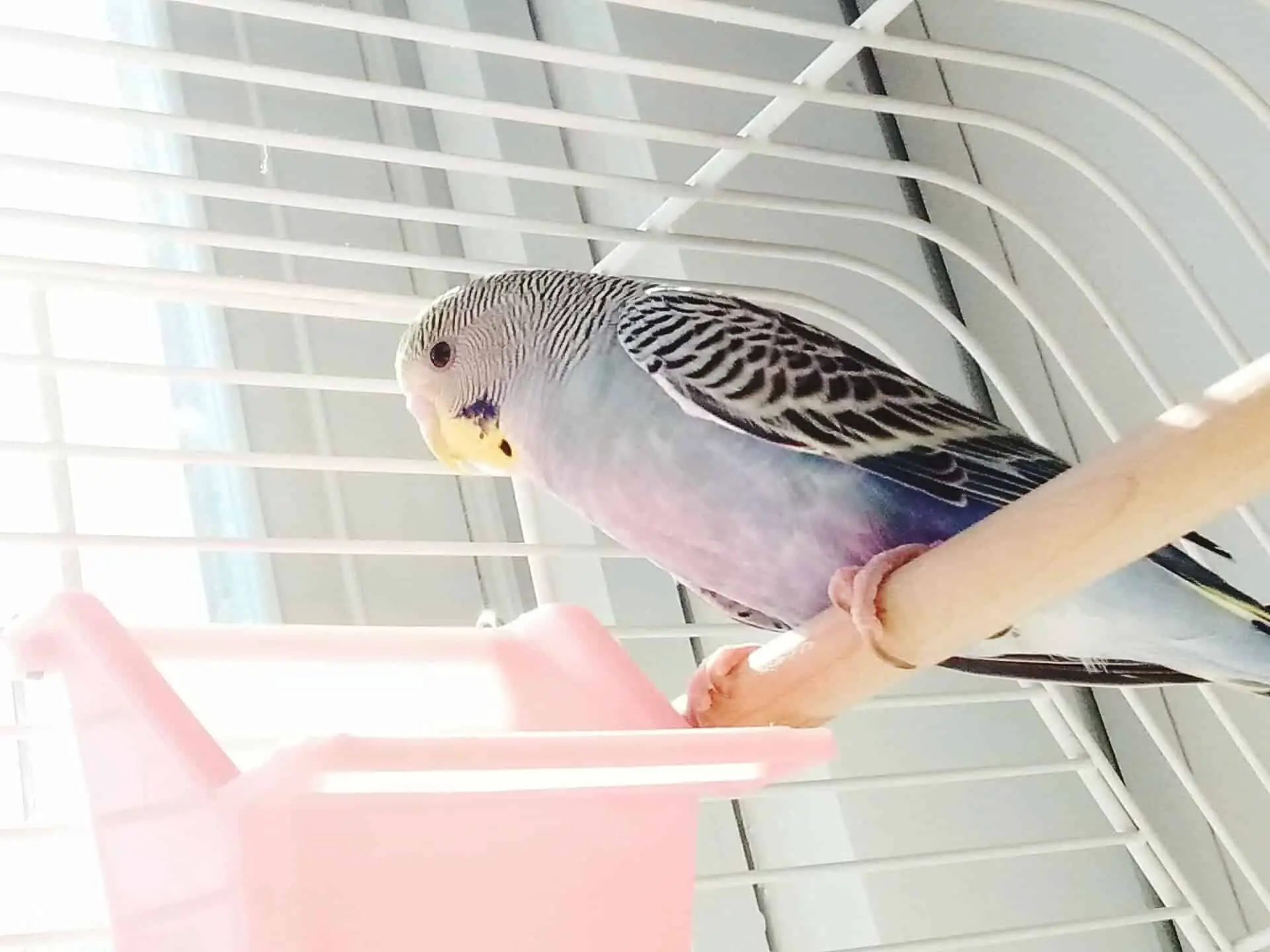
Return and stop it from coming over to you. For example, if the bird is sitting on your shoulder or rubbing himself to you, simply take it and put it back to somewhere. Just move it from you every time for a few days and it will become habitual and stop being clingy.
-
Break Daily Routine
One of the most important things is to break up your daily routine. For example, if you always come to house at the same time each day, try changing your timing by a few minutes each day. Instead of walking in and immediately heading to your bird’s cage, take a few minutes to do something else first.
This will help your bird understand that just because you’re home doesn’t mean it’s time for cuddles and playtime.
-
Spend Less Time
If your bird is showing signs of separation anxiety, the best thing you can do is to spend less time with it. Do not pay too much attention and praise, stretch, and talk to him. It may sound counterintuitive, but birds are more likely to bond with humans when they’re around them all the time. When you’re gone, your bird will have to fend for itself and learn to cope without you.
This can be a difficult and stressful process, but it’s important for your bird’s development.
-
Provide Plenty of Toys
An important thing is to provide plenty of toys and activities for them to stay occupied. This can include things like mirror toys, foraging toys, and chew toys. It’s also important to make sure they have plenty of perches and hideaways so they feel safe and secure.
If possible, try to provide a view of the outside so they can watch the birds and activities going on.
-
Provide A Large Cage
Finally, one of the most important things you can do is to provide a large cage. This will give your bird plenty of space to fly and explore, helping to reduce its stress levels. And with these steps, you can know how to deal with a bird with separation anxiety.
What Are The Signs of A Bird Separation Anxiety?
Birds are social creatures that typically live in flocks in the wild. However, birds may suffer from separation anxiety if they are not reciving much attention as usually they would from the owner.
-
Excessive Vocalization
If your usually quiet bird starts squawking or screeching when you leave the room, it may be suffering from separation anxiety.
-
Feather Plucking
The most common sign of separation anxiety in birds is feather-picking. This behavior usually results from the bird feeling stressed or anxious. Additionally, birds who are normally active may become lethargic and fluffed up, and they may stop singing or preening.
-
Decreased Appetite
A decrease in appetite or a change in eating habits may signal that your bird is not feeling well. Either it is sick or suffering from sepration anxiety. It may also stop eating entirely or may only eat a very small amount. This decrease in appetite can be due to the birds stress and anxiety over being away from owner.
The bird may also lose weight as a result of the decreased appetite. In severe cases, the bird may become too weak to fly and may even die.
-
Self-Mutilation
If your bird is biting or clawing at his own flesh, it’s a strong indication that he’s in distress. He may be trying to relieve himself of physical pain or emotional anguish, or he may simply be acting out in response to feelings of isolation and abandonment.
Why Does My Bird Scream When I Leave The Room?
If you have a pet bird which screams when you leave the room, it’s showing signs of separation anxiety. When birds are in the wild, they live in flocks and are constantly surrounded by other members of their species. As a result, they become very attached to their flockmates and feel insecure when they are separated from them. When pet birds are left alone, they may start to scream as a way of calling for their flockmates.
In captivity, the bird may be attached to its owner if it is receiving too much attention and fuss. And thus, the bird starts going through separation anxiety. Read above for helping bird from this problem.
Sad Bad
How Do You Make A Bird Not Feel Lonely?
If you’ve ever felt lonely, you know how bad it can make you feel. You may not think that birds could feel the same way, but they actually can get lonely, too. So, what can you do to make sure your feathered friend doesn’t feel isolated?
Put a mirror in their cage. This will give them the opportunity to see another bird, even if it’s just their reflection.
You can also talk to them often, even if they don’t seem to understand what you’re saying. Just the sound of your voice will be comforting to them.
If the bird is in cage, take out of their cage regularly so they can stretch their wings and explore. If you can’t let them out all the time, try putting on some soft music or keeping the television on at a low volume.
You can also keep the tv on when you’re not there so the bird may hear and think there is someone.
Why Do Birds Suddenly Go Quiet?
Any pet owner knows that a change in behavior can be a sign of something wrong. If your usually chatty bird suddenly goes quiet, it might be a cause for concern.
Birds may be stressed, unhappy, bored or ill. Birds are social creatures, and they need plenty of attention and interaction. If you think your bird might be lonely, try spending more time with it.
![7 Baby! When Do Raccoons Have Babies? [How Many Babies?…]](https://intoyard.com/wp-content/uploads/2020/11/When-Do-Raccoons-Have-Babies-When-Are-Baby-Raccoons-Born.jpg "7 Baby! When Do Raccoons Have Babies? [How Many Babies?…]")